Showing posts with label LASER treatment. Show all posts

Friday, 7 February 2014

Effective and Affordable Diabetes Eye Treatment Mumbai


Diabetes Mellitus is a disorder of sugar metabolism. The blood sugar levels increase due to deficiency of insulin and if left unattended various body organs are damaged. One of the most commonly affected organ is eye.
  • REFRACTION :
    As the blood sugar level fluctuate the spectacle power of a diabetic patient changes frequently.
  • CATARACT :
    Diabetic patients are more likely to develop early cataract.
  • RETINAL DAMAGE :
    The retinal changes seen in diabetic is called as Diabetic Retinopathy.
  • GLAUCOMA :
    The new vessels that form on the retina and the angels of the eye cause the intraocular pressure to rise causing irreversible damage to the optic nerve.
Due to the high blood sugar levels the blood vessels of the retina become swollen and leaky. Once the blood seeps out of these leaky blood vessels it deposits in the retina causing it to swell up like a sponge. Retinal swelling causes fall in vision. Changes in the retinal vessels lead to decrease in the oxygen supply to the retina. To meet its oxygen demand newer weak abnormal blood vessels develop on the retina. Since these new vessels are weak they tend to rupture leading to sight threatening complications such as Retinal bleeding, Retinal Detachment and Retinal death.


Diabetic Retinopathy is detected by a routine eye examination. It is important to grade the stage of Diabetic Retinopathy in to Early (Non Proliferative Diabetic Retinopathy) or Advanced (Prolifarative Diabetic Retinopathy) to plan the line of treatment.
Clinical examination is further supported by tests like;
  • Fundus Flourescein Angiography
  • OCT of macula

The retinologist might suggest any of the following lines of treatment depending on the severity of the disease.
  • Retinal Laser Photocoagulation : Retinal laser treatment hels to reduce the oxygen demand of the diseased retina thereby causing the new vessels to shrink and stop further damage to the retina. 2-3 Laser sitting may be required depending on the severity of the retinopathy. After the laser treatment one may experience watering from eyes and mild headache or mild eye ache. These affects are temporary.
  • VitrectomyThis is surgical procedure by which the blood that has laeked in to the vitreous cavity (Eye gel) is cleared. In most patients vision improves by this surgery. One can return home on the same day of surgery. The eye drops and tablets prescribed at the end of the surgery have to be taken regularly for as long as the doctor suggests.
Patients with Diabetic Retinopathy have problem while
  • Regular eye examination is mandatory.
  • Blood glucose, blood pressure and lipid profile are to be closely monitored and maintained as close to normal as possible with the help of a physician.
  • Healthy diet and exercise help to keep the blood sugar levels normal
  • If vision does not improve with the conventional treatment, Low vision Aids are prescribed
  • Smoking is to be stopped.

    For more details contact us through :
    http://www.krishnaeyecentre.com/click2call.php
    http://www.krishnaeyecentre.com/


Sunday, 19 January 2014

Age Related Macular Deganaration ( ARMD ) & Treatment India

http://krishnaeyecentre.com/armd.phpMACULA
  • Macula is a small area in the retina which is responsible for central vision.
  • Deterioration or breakdown in the macula is called macular degeneration. When this happens as a result of an aging process it is termed as Age Related Macular Degeneration ( ARMD ).
  • ARMD is amongst the leading causes of visual disability in people over 65 years of age and may affect one or both eyes. It is of two types : Dry and Wet

http://krishnaeyecentre.com/armd.php
It is atrophic in nature where thinning of the tissues of the macula takes place and visual loss is gradual. This is the more common form of ARMD.


http://krishnaeyecentre.com/armd.phpWet ARMD
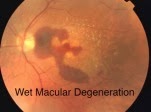
It is also called as Exudative ARMD; results when abnormal blood vessels arise from Choroid ( layer beneath the retina ). These new vessels leak fluid or blood and blur the central vision. Visual loss can be rapid and severe.


One experiences blurring of vision and has difficulty in recognising faces and reading the centre of the page while the periphery appears normal. Dark and empty areas appear in the centre of the vision. Straight lines appear wavy.


Who is at a risk of developing ARMD?
  • Smokers are at a risk of almost two fold than non smokers.
  • Caucasians are more likely candidates than people of American decent.
  • High Myopes.
  • People with family history of ARMD disease.

How is ARMD Detected?
ARMD is usually detected during a routine eye examination.
Amsler Grid in Macular Degeneration


How is the diagnosis established?
Diagnosis is confirmed by a clinical examination of the retina. Some important tests like the Amslers Grid charting, Optical Coherence Tomography ( OCT ) and Fundus Flourescein Angiography help to determine the type and extent of the damage to the retina.

Can ARMD be treated?
The DRY ARMD is managed by nutritional supplements in the form of antioxidants.
WET ARMD is treatable and gets good results when detected early. The simplest form of treatment is by way of intravitreal injections. These injections are agents that target specific chemical that are responsible for the growth of abnormal blood vessels under the retina. These chemicals are called Vascular Endothelial Growth Factors ( VEGF ). The injections which block the trouble causing VEGF are called Anti-VEGFs. These reduce the growth of the abnormal blood vessels and reduce the leakage from them. These intravitreal injections are painless and harmless. Most are FDA approved.


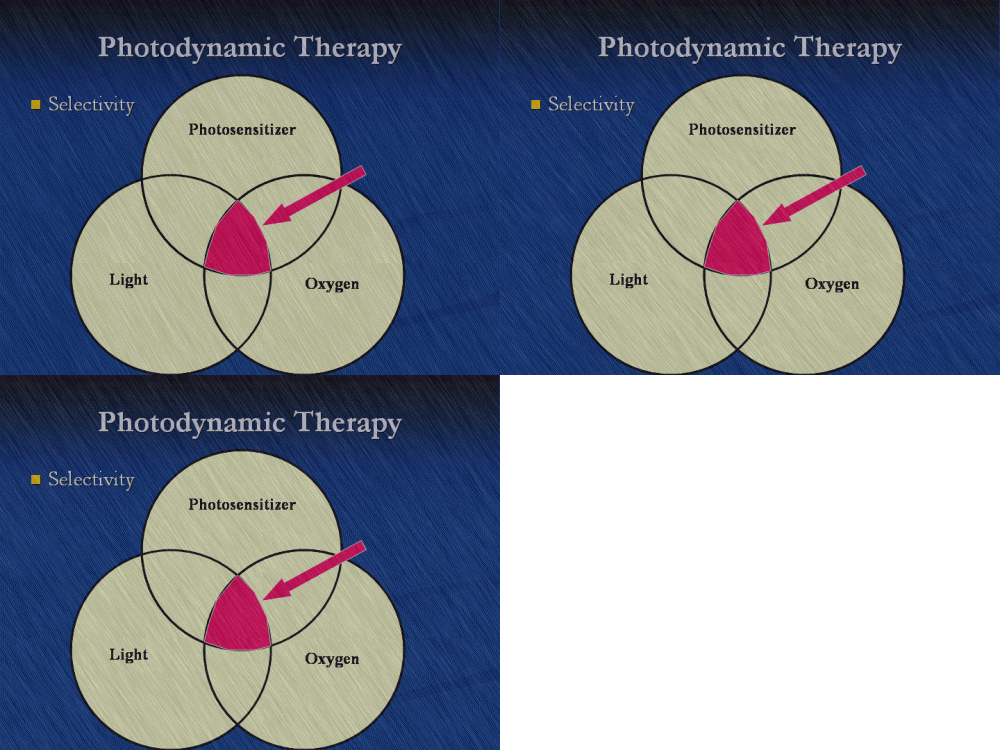
Photo Dynamic Therapy :
Certain types of Wet ARMD need to be treated by a special type of dye and LASER treatment to stop the leaking blood vessels. In advanced cases of ARMD these treatment lines may not help. Vision can then be rehabilitated with the help of Low Visual Aids.


http://krishnaeyecentre.com/armd.php

How can ARMD affect my life?
ARMD has impact on activities like reading, cooking, shopping and watching TV. Moving in dimly lit rooms can be difficult. Keeping rooms brightly lit can help.

How do I protect my vision?
  • Make regular visits to the eye doctor.
  • Eat healthy, Stay active "Learn to watch for symptoms of ARMD, like waviness of lines and report to the doctor if any change is noted.
  • Use of Visual Aids can make life easy for those who have already lost vision due to ARMD.
For more details contact us through :


http://krishnaeyecentre.com/click2call.php