Wednesday, 6 August 2014

LASIK EYE SURGEY @AFFORDABLE COST IN MUMBAI

Laser assisted in situ keratomileusis or LASIK is an outpatient surgical procedure used to correct refractive errors like myopia, hyperopia and astigmatism. With micro-surgical equipments and laser, the cornea is reshaped so that the rays of the light are focused on the retina. Lasik reduces the dependence on glasses and contact lenses and offers true spectacle freedom. It is an outpatient surgical procedure done under topical anaesthesia. The entire procedure takes about 7 to 8 minutes per eye.


http://www.krishnaeyecentre.com/lasik-services.php

Can Lasik Be Done On Everyone?

Anyone who is over 18 years of age and has had a stable glasses prescription for over 12 months can undergo LASIK. The eye should not have any eye disease or eye injury and its complications. One should have realistic expectations.
There are however some very stringent patient selection criteria that one has to adhere to, in-order to give good results. The doctor is the best judge to select the patient for this procedure.

What Are The Special Eye Tests Required?

Corneal Topography & Aberrometry:

This test evaluates the corneal curvature or shape of the cornea and other refractive parameters of the eye. People with conical cornea are not fit for LASIK.

Corneal Pachymetry:

An optimal corneal thickness measured in microns is important fro LASIK as very thin sufficient tissue available to reshape the cornea and eliminate the eye power during surgery. Also very thin cornea can have problems after the surgery.

Retina:

Patient with retinal disease might need to get the disease treated before surgery. Several people with high minus powers have retinal weakness and fraying of peripheral retina which can be darned before Lasik.

Others:

Patients with dry eyes and squint and those who have poor color contrast might require additional management apart from LASIK to get best visual outcome.

http://www.krishnaeyecentre.com/lasik-services.php

Types of Lasik

  • Conventional LASIK or Blade LASIK in which a flap is created be an instrument called microkeratome then lifted and the bed below the flap is lasered. This type of LASIK is suitable in almost 90% of eyes.
  • Femto second LASIK is the bladeless Lasik; the flap is created by the laser itself.
  • Sometimes a Lenticule is cut out in the stroma of the cornea by the laser and sliped out of a small opening this is called Relex Smile. The advantage here is that eyes with thinner cornea can undergo this procedure and healing time is shorter.
http://www.krishnaeyecentre.com/lasik-services.php

Side Effects

Side effects are few, but people may experience discomfort or pain, blurry vision, dryness, glare and haloes around lights. There may be a red patch on the white of the eye, which may persist for a few days. Fluctuation in vision and the quality of vision may vary for some time. Vision may take up to 3 months to stabilize in some cases. Flap related complication and infection are rare.

FAQs

Does LASIK hurt?

LASIK is a painless procedure done under eye drop anaesthesia. One may fell slight pressure on the eye during the flap creation.

How long does it take to do a LASIK?

The actual procedure takes about 10 minutes; the laser itself takes only 20-50 seconds to correct the vision.

When can one resume normal activities?

Visual recovery takes from one day to a week. Majority of patients resume normal activities one to two days after surgery. Complete stabilization can take up to 2-3 months.

When should one stop wearing contact lenses?

Contact lens wearer should discontinue lenses at least a week before the procedure to allow the cornea to take its normal shape before the surgery for the best surgical outcome.

What is vision like after LASIK?

It is important to have realistic expectations. Over 98% of people achieve 6/6 to 6/9 vision without glasses or contact lenses. LASIK corrected vision is permanent however if refractive error is under corrected the result can be fine tuned by a second surgery called enhancement. People beyond 40 years of age can also undergo LASIK for distance vision but will need glasses for reading after surgery.
Those patients who are keen to be spectacle free but unfortunately do not qualify for LASIK can opt for other surgical procedure like Implantable Collamer Lens / Implantable Contact Lens (ICL) or Refractive Lens Exchange surgeries. Kindly contact us to know more about these procedures.

Doctors in Krishna Eye Centre Provides high quality treatment for all eye problems like cataract surgery / cataract treatment, glaucoma, refractive errors, diabetic retinopathy, squint, lazy eye etc.

For getting Spectacle Free Vision without pain, Contact US.

Email : krishnaeyecenter@gmail.com
http://www.krishnaeyecentre.com/contact.php

Monday, 16 June 2014

High Quality Customized Spectacles Through i.Scription Technology, Mumbai


As we grow older, our bodies undergo changes and eyes are no exception. Diminishing vision is one of the major handicaps as we age. Many people don't seek medical attention because of negligence and ignorance. Some take it as a part of ageing and resign themselves to fate. This is unfortunate since most of the eye problems can be prevented or corrected if detected on time. Periodic eye examinations are an important part of good preventive eye care.

When we look at any object, light rays pass from the object through the transparent cornea and the clear lens to strike the retina then relays the image to the brain through a set of wires called as optic nerve.


When light rays from a distant object do not come to a focus on the retina, the image of the object appears blurred and the condition is called Ammetropia.

When the size of the eyeball is longer than normal, these light rays are focused in front of the retina. This is myopia or short sightedness. This can be corrected by concave lenses as spectacles or contact lenses.

http://www.krishnaeyecentre.com/lasik.php
When the size of the eyeball is shorter than normal, these light rays are focused behind the retina. This is hypermetropia or long sightedness. This can be corrected by convex lenses as spectacle or contact lenses.

http://www.krishnaeyecentre.com/lasik.php
A normal eye has spherical cornea in all its meridians. When the cornea is steeper or flatter in any of its axil, it gives rise to Astigmatism, This is corrected by cylindrical lenses as spectacles or toric contact lenses.

                     Presbyopia:
Presbyopia
The normal eye works like an autofocus camera which can focus for distance and near. This is achieved by change of shape of the lens in the eye, directing the light rays onto the retina. But with age, the lens hardens and cannot change its shape as easily making it difficult to focus on small and close objects. Presbyopia often starts around the age of 40 years and slowly worsens until the age of 60 years. This is easily treated with bifocal or multifocal (progressive) glasses, monofocal & bifocal contact lenses.


Many of us see flaring of the head lights of approaching cars in the night.

Bright light sources against a dark night time background can create visual problems: light cones, reflection, mirror images, limited vision, low contrasts and overall adverse visual conditions that irritate and fatigue the eyes and the overall sensory system.
These factors increase the risk of road traffic accidents; they also have a negative impact on the quality of life of the people. They may have a difficult time driving at night, and even be unable to enjoy night time outdoor activities.

Apart from the spherical and cylindrical eye power many of us have some hidden powers named Higher Order Aberrations (HOA) that also determine the clarity of our vision. These hidden powers are detected by aberrometry. To enhance your vision and your life Zeiss Customized i.Scription lenses will solve your problem so that your eyes enjoy clearer, criper more relaxed vision even at night and in low light conditions.
Every eye is as unique as every human fingerprint. In addition to the typical vision condition, i.e. near or far sightedness, an examination with i.Profiler Plus also analyse the individual eye profile. i.Profiler Plus is an instrument designed to determine the exact “fingerprint” of your eyes. This makes it possible for your Doctor to create ZEISS customized lenses with i.Scription to deliver your best vision possible.
As we are going for customized lenses with i.Scription technology frame and eye measurement are also to be considered. To get that percision, we use the most leading edge digital centration system called i.Terminal.

http://www.krishnaeyecentre.com/optometry.phphttp://www.krishnaeyecentre.com/comprehensive-services.php#datasinn

With pinpoint precision, i.Terminal determines the centration parameters required for accurate frame fitting on the face enabling perfect vision. The measuring process, photo capture and the processing of the data are all done in a matter of seconds.

In Takes about 3-5 working days to deliver these customized i.Scription Glasses from the date of order.

Krishna Eye Centre, Mumbai provides high quality & effective customized spectacles through i.Scription technology at affordable rate.


http://www.krishnaeyecentre.com/contact.php
http://www.krishnaeyecentre.com/http://www.krishnaeyecentre.com/click2call.php
http://www.krishnaeyecentre.com


Friday, 28 February 2014

Free Glaucoma Consultation From March 9 to 15

http://www.krishnaeyecentre.com/news-and-events.php

Are you above age of 40? a diabetes patient with sinus pain? Are you from a family with the history of glaucoma? Do you see rainbow halos around light rays? Severe eye pain & redness in eyes irritates you? If anyone of the answer is yes, this is the time to have an eye checkup. It may be the eye diseases Glaucoma.

KrishnaEye Centre, Mumbai on this World Glaucoma Week (March 9-15) offers you Free Glaucoma Consultation at Krishna Eye Centre, Mumbai. Consultation is free only for prior appointments. 
Eye is the precious organ of our body. Why to take a chance when you have all the facilities out there to help you?! Do you know that glaucoma can even lead to permanent blindness?!! Don't be careless about your vision. Without which your life will be colourless. 

Glaucoma is one of the leading causes of blindness in this world affected to our optic nerves. Around two percentage of the population suffer from this eye disorder. The patient may feel that his vision is absolutely normal because it first affects the top, sides & bottom areas of vision and finally the central vision is affected. 

Glaucoma is discovered during routine eye examination. The tests used to diagnose and monitor progression of Glaucoma include.
http://www.krishnaeyecentre.com/news-and-events.php
5 factors should be checked before making a glaucoma diagnosis :
  • Inner eye pressure
  • Shape and color of the optic nerve
  • Complete field of vision
  • Angle in the eye where the iris meets the cornea
  • Thickness of the cornea

SYMPTOMS OF GLAUCOMA

  • Cloudy or haloed vision
  • Severe eye and head pain
  • Vomiting
  • Sudden sight loss
  • Light sensitivity
  • Excessive blinking
  • One eye becoming larger than the other
  • Excessive tearing
  • Decreased vision

KrishnaEye Centre is an Ophthalmic arm of Global hospital which is the chain of specialized hospitals across India. We provide advanced high quality cure like LASIK surgery with 100 percentage success. Highly experienced & qualified surgeons from Krishna Eye Centre perform both bladeless & conventional LASIK with short, safe and pain free procedure. Krishna Eye Centre has conducted several eye check up camps and free surgeries for the under privileged people.

Take a Free Glaucoma Consultation from the best eye care clinic in the country & enjoy with your vital eyes.


Take an appointment for free Glaucoma consultation. If you have any doubts contact us.

Email Us : krishnaeyecenter@gmail.com


Friday, 7 February 2014

Effective and Affordable Diabetes Eye Treatment Mumbai


Diabetes Mellitus is a disorder of sugar metabolism. The blood sugar levels increase due to deficiency of insulin and if left unattended various body organs are damaged. One of the most commonly affected organ is eye.
  • REFRACTION :
    As the blood sugar level fluctuate the spectacle power of a diabetic patient changes frequently.
  • CATARACT :
    Diabetic patients are more likely to develop early cataract.
  • RETINAL DAMAGE :
    The retinal changes seen in diabetic is called as Diabetic Retinopathy.
  • GLAUCOMA :
    The new vessels that form on the retina and the angels of the eye cause the intraocular pressure to rise causing irreversible damage to the optic nerve.
Due to the high blood sugar levels the blood vessels of the retina become swollen and leaky. Once the blood seeps out of these leaky blood vessels it deposits in the retina causing it to swell up like a sponge. Retinal swelling causes fall in vision. Changes in the retinal vessels lead to decrease in the oxygen supply to the retina. To meet its oxygen demand newer weak abnormal blood vessels develop on the retina. Since these new vessels are weak they tend to rupture leading to sight threatening complications such as Retinal bleeding, Retinal Detachment and Retinal death.


Diabetic Retinopathy is detected by a routine eye examination. It is important to grade the stage of Diabetic Retinopathy in to Early (Non Proliferative Diabetic Retinopathy) or Advanced (Prolifarative Diabetic Retinopathy) to plan the line of treatment.
Clinical examination is further supported by tests like;
  • Fundus Flourescein Angiography
  • OCT of macula

The retinologist might suggest any of the following lines of treatment depending on the severity of the disease.
  • Retinal Laser Photocoagulation : Retinal laser treatment hels to reduce the oxygen demand of the diseased retina thereby causing the new vessels to shrink and stop further damage to the retina. 2-3 Laser sitting may be required depending on the severity of the retinopathy. After the laser treatment one may experience watering from eyes and mild headache or mild eye ache. These affects are temporary.
  • Vitrectomy : This is surgical procedure by which the blood that has laeked in to the vitreous cavity (Eye gel) is cleared. In most patients vision improves by this surgery. One can return home on the same day of surgery. The eye drops and tablets prescribed at the end of the surgery have to be taken regularly for as long as the doctor suggests.
Patients with Diabetic Retinopathy have problem while
  • Regular eye examination is mandatory.
  • Blood glucose, blood pressure and lipid profile are to be closely monitored and maintained as close to normal as possible with the help of a physician.
  • Healthy diet and exercise help to keep the blood sugar levels normal
  • If vision does not improve with the conventional treatment, Low vision Aids are prescribed
  • Smoking is to be stopped.

    For more details contact us through :
    http://www.krishnaeyecentre.com/click2call.php
    http://www.krishnaeyecentre.com/


Sunday, 19 January 2014

Age Related Macular Deganaration ( ARMD ) & Treatment India

http://krishnaeyecentre.com/armd.phpMACULA
  • Macula is a small area in the retina which is responsible for central vision.
  • Deterioration or breakdown in the macula is called macular degeneration. When this happens as a result of an aging process it is termed as Age Related Macular Degeneration ( ARMD ).
  • ARMD is amongst the leading causes of visual disability in people over 65 years of age and may affect one or both eyes. It is of two types : Dry and Wet

http://krishnaeyecentre.com/armd.php
It is atrophic in nature where thinning of the tissues of the macula takes place and visual loss is gradual. This is the more common form of ARMD.


http://krishnaeyecentre.com/armd.phpWet ARMD
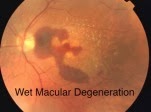
It is also called as Exudative ARMD; results when abnormal blood vessels arise from Choroid ( layer beneath the retina ). These new vessels leak fluid or blood and blur the central vision. Visual loss can be rapid and severe.


One experiences blurring of vision and has difficulty in recognising faces and reading the centre of the page while the periphery appears normal. Dark and empty areas appear in the centre of the vision. Straight lines appear wavy.


Who is at a risk of developing ARMD?
  • Smokers are at a risk of almost two fold than non smokers.
  • Caucasians are more likely candidates than people of American decent.
  • High Myopes.
  • People with family history of ARMD disease.

How is ARMD Detected?
ARMD is usually detected during a routine eye examination.
Amsler Grid in Macular Degeneration


How is the diagnosis established?
Diagnosis is confirmed by a clinical examination of the retina. Some important tests like the Amslers Grid charting, Optical Coherence Tomography ( OCT ) and Fundus Flourescein Angiography help to determine the type and extent of the damage to the retina.

Can ARMD be treated?
The DRY ARMD is managed by nutritional supplements in the form of antioxidants.
WET ARMD is treatable and gets good results when detected early. The simplest form of treatment is by way of intravitreal injections. These injections are agents that target specific chemical that are responsible for the growth of abnormal blood vessels under the retina. These chemicals are called Vascular Endothelial Growth Factors ( VEGF ). The injections which block the trouble causing VEGF are called Anti-VEGFs. These reduce the growth of the abnormal blood vessels and reduce the leakage from them. These intravitreal injections are painless and harmless. Most are FDA approved.


Photo Dynamic Therapy :
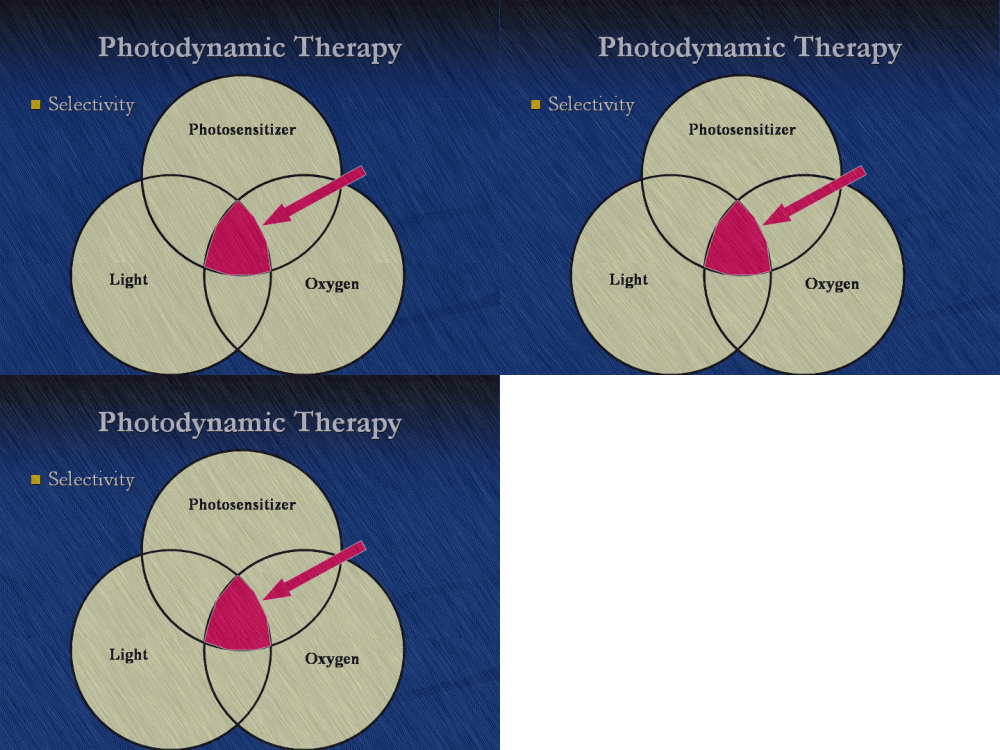
Certain types of Wet ARMD need to be treated by a special type of dye and LASER treatment to stop the leaking blood vessels. In advanced cases of ARMD these treatment lines may not help. Vision can then be rehabilitated with the help of Low Visual Aids.


http://krishnaeyecentre.com/armd.php

How can ARMD affect my life?
ARMD has impact on activities like reading, cooking, shopping and watching TV. Moving in dimly lit rooms can be difficult. Keeping rooms brightly lit can help.

How do I protect my vision?
  • Make regular visits to the eye doctor.
  • Eat healthy, Stay active "Learn to watch for symptoms of ARMD, like waviness of lines and report to the doctor if any change is noted.
  • Use of Visual Aids can make life easy for those who have already lost vision due to ARMD.
For more details contact us through :


http://krishnaeyecentre.com/click2call.php

Monday, 17 June 2013

Important Reasons to Choose LASIK Eye Surgery


Glasses! STILL feeling UNCOMFORTABLE?


 Get rid of your Glasses or Contact Lenses


  • Let your beautiful Eyes Speak !!
  • Get rid of your Glasses or Contact Lenses
  • Get back your sparkling eyes !!
  •   LASIK eye surgery is becoming more advanced and more affordable. LASIK is not for everyone; before you decide to go through with LASIKsurgery you should learn more about it and what it has to offer you.

    The LASIK procedure involves the use of an ultraviolet laser to reshape your cornea. It does this by vaporizing small amounts of the cornea's tissue. LASIK surgery is effective in treating nearsightedness (myopia), astigmatism, and farsightedness (hyperopia).

    Before undergoing LASIK eye surgery an ophthalmologist will evaluate your eyes to determine if you are a good candidate for LASIK. The eye surgeon will map out your corneas to determine how to shape them. The health of your eyes is evaluated to determine if LASIK is viable; if any problems are found it could preclude you from having LASIK surgery.

    LASIK is an outpatient procedure; downtime for recovery is minimal. Most people are able to see clearly without their glasses or contacts immediately following the surgery. There are a number of side effects including problems with night vision and sensitivity to light.


    For many active or sports minded people LASIK offers them an opportunity to continue to compete in athletic activities without the physical constraints of having to wear contact lenses or eye glasses. Even swimming takes on a whole new level of pleasure as you no longer need any eyewear to allow you to see clearly after you have undergone LASIK surgery.


    You can learn more about LASIK vision correction by visiting the website http://krishnaeyecentre.com/

    Before the LASIK surgery the patient is given eyedrops to numb their eye. Some patients are also sedated. Then, a very precise laser called a femtosecond laser makes a flap in the cornea. It's then peeled back like a lid and another type of laser is used to sculpt the eye tissue to make sure that the light can focus properly on the retina. Then, the flap is replaced. The operation takes about ten minutes.
    After the patient is taken home, he or she should rest for a few days. The ophthalmologist will prescribe eye drops, because the eyes will be dry afterwards. The patient will then have follow-up visits to the ophthalmologist. The first might be a day or two after the surgery. Other visits will follow over a span of six months or so.

    The result of the eye correction can last up to ten years and the operation may need to be redone. Studies have confirmed that it is a very safe procedure and that very few have experienced complications.

    However, the question on a lot of people's minds usually is, "how to find the right surgeon?"

    Finding the right surgeon is an important thing to do because you will trust this person to work on your eye and of course, you will be hoping for positive results. Lasik eye surgery cost is very expensive nowadays, so, you will also be paying a lot of money. Therefore, it is important that you find someone who is experienced, trustworthy and has a good profile.

    For more information please feel free to visit and enquire through http://krishnaeyecentre.com